
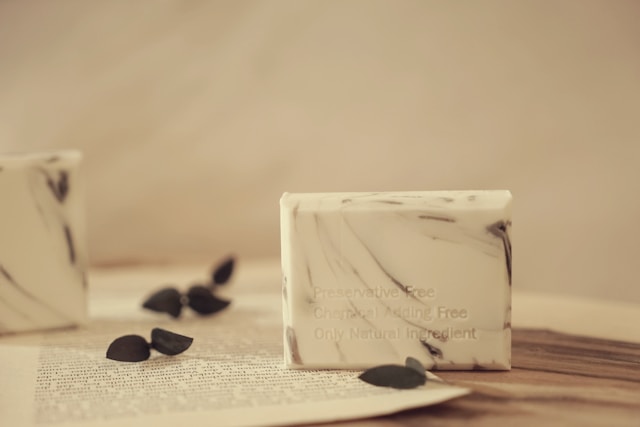
When it comes to daily cleansing, many women wonder whether handmade soap or body wash is the better choice for their skin. Both are widely used, but they are made very differently—and those differences can have a real impact on how your skin feels over time.
In this article, we’ll break down handmade soap vs body wash in a simple, honest way to help you choose what’s best for your skin and lifestyle.
What Is Handmade Soap?
Handmade soap is created using traditional soap-making methods and natural oils. It goes through a process called saponification, where oils are turned into soap while naturally producing glycerin.
Because handmade soaps are produced in small batches, they often focus on skin nourishment rather than just fragrance or foam.
What Is Body Wash?
Body wash is a liquid cleanser typically made using synthetic detergents, added fragrances, and preservatives to extend shelf life. It is designed for convenience, long storage, and mass production.
While body washes may feel smooth or smell strong, they often rely on ingredients that can be harsh on sensitive or dry skin.
Handmade Soap vs Body Wash: Key Differences
| Feature | Handmade Soap | Body Wash |
|---|---|---|
| Cleansing Base | Natural oils | Synthetic detergents |
| Glycerin | Naturally retained | Often removed or added artificially |
| Skin Feel | Gentle & nourishing | Can feel drying |
| Ingredients | Botanical & minimal | Chemical-based |
| Eco Impact | Low waste & plastic-free | Plastic packaging |
Why Handmade Soap Is Gentler on Skin
Handmade soaps cleanse without disrupting the skin’s natural barrier. The retained glycerin helps keep skin soft, hydrated, and balanced—making handmade soap ideal for daily use.
This is especially beneficial for women with sensitive, dry, or combination skin.
Common Concerns About Body Wash
Many body washes contain:
- Sulfates that strip natural oils
- Artificial fragrances that may irritate skin
- Preservatives that can disrupt sensitive skin
Over time, this can lead to dryness, tightness, or discomfort—especially when used daily.
Which Is Better for Different Skin Types?
For Dry Skin
Handmade soap is usually the better option because it cleanses gently while supporting moisture retention.
For Oily Skin
Handmade soaps with ingredients like charcoal or neem help cleanse excess oil without over-drying.
For Sensitive Skin
Handmade soap with minimal ingredients is often more soothing than heavily fragranced body washes.
Environmental Impact: Soap vs Body Wash
Handmade soaps are typically:
- Plastic-free
- Long-lasting
- Low-waste
Body washes usually come in plastic bottles and require more preservatives, making handmade soap a more eco-conscious choice.
Why Beauty-Conscious Women Are Switching to Handmade Soap
Women who prioritize skincare and self-care are choosing handmade soaps because they:
- Offer cleaner, transparent ingredients
- Feel luxurious yet simple
- Support sustainable beauty habits
- Turn daily cleansing into a mindful ritual
How to Transition from Body Wash to Handmade Soap
If you’re switching from body wash:
- Start using handmade soap once daily
- Allow your skin 1–2 weeks to adjust
- Store your soap properly to extend its life
Most users notice softer, calmer skin within a short time.
Final Verdict: Which Should You Choose?
If you value gentle cleansing, natural ingredients, and long-term skin comfort, handmade soap is the better choice for most skin types.
While body wash may offer convenience, handmade soap delivers care, simplicity, and skin-friendly benefits that align with modern beauty values.