
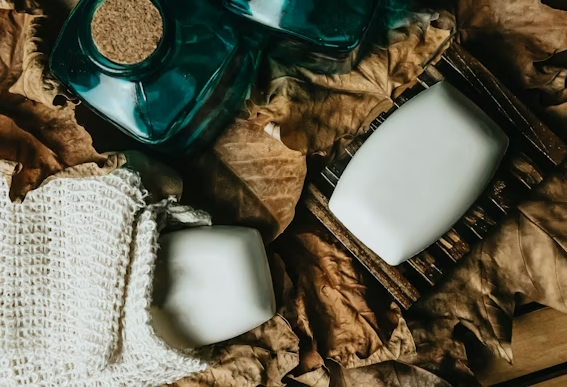
Handmade soaps are more than just a trend—they are a return to thoughtful, skin-friendly beauty. As more people become conscious about what they apply to their skin, handmade soaps are gaining popularity for their gentle formulas, natural ingredients, and visible results.
In this guide, you’ll learn what handmade soaps are, how they’re made, their benefits, and why they’re especially loved by beauty-conscious women.
What Are Handmade Soaps?
Handmade soaps are soaps that are crafted in small batches using traditional soap-making methods rather than mass industrial processes. Unlike commercial soaps, which often rely on synthetic detergents and preservatives, handmade soaps are made using natural oils, botanicals, and skin-nourishing ingredients.
Each bar is carefully formulated, mixed, poured, and cured by hand—allowing better quality control and a more skin-friendly final product.
How Handmade Soaps Are Made
Most handmade soaps are created using the cold process method, which helps preserve the natural goodness of the ingredients.
Here’s a simple overview of the process:
- Natural oils (such as olive, coconut, or castor oil) are blended
- A lye solution is carefully added to start saponification
- Botanical ingredients like turmeric, neem, beetroot, or charcoal are mixed in
- The soap is poured into molds and left to cure for several weeks
This slow process allows the soap to remain rich in naturally occurring glycerin, which helps keep skin soft and moisturized.
Benefits of Handmade Soaps
1. Gentle on the Skin
Handmade soaps cleanse without stripping away natural oils. This makes them suitable for daily use, especially for sensitive or dry skin.
2. Made with Natural Ingredients
Most handmade soaps contain plant-based oils, herbs, clays, and botanical extracts. These ingredients are chosen for their skin-supporting properties rather than just fragrance or color.
3. Free from Harsh Chemicals
Unlike many commercial soaps, handmade soaps are typically free from:
- Sulfates
- Parabens
- Synthetic detergents
- Artificial preservatives
This makes them a preferred choice for women seeking clean and mindful skincare.
4. Naturally Moisturizing
Handmade soaps retain natural glycerin—a humectant that helps attract moisture to the skin. Commercial soaps often remove glycerin to use it in other cosmetic products.
5. Suitable for Different Skin Types
Handmade soaps can be tailored for:
- Oily skin
- Dry skin
- Acne-prone skin
- Sensitive skin
Botanical ingredients like neem, turmeric, charcoal, and beetroot each address specific skin needs naturally.
Key Ingredients Commonly Used in Handmade Soaps
Beetroot
Known for its antioxidant properties, beetroot helps support a healthy, natural glow and revitalized-looking skin.
Neem
Neem is traditionally valued for its purifying qualities and is often used in soaps for oily or problem-prone skin.
Turmeric
Turmeric is widely loved for its soothing and radiance-enhancing properties, making it ideal for achieving an even-looking complexion.
Activated Charcoal
Charcoal works like a magnet to draw out impurities, excess oil, and dirt from the skin—perfect for deep cleansing.
Handmade Soaps vs Commercial Soaps
| Feature | Handmade Soaps | Commercial Soaps |
|---|---|---|
| Ingredients | Natural & botanical | Synthetic & detergent-based |
| Glycerin | Naturally retained | Often removed |
| Skin Feel | Gentle & nourishing | Can feel drying |
| Production | Small-batch, handcrafted | Mass-produced |
Are Handmade Soaps Safe for Daily Use?
Yes. When made correctly, handmade soaps are safe and gentle enough for daily use. Because they are free from harsh detergents, many users find their skin feels softer and more balanced over time.
However, as with any skincare product, it’s recommended to patch-test if you have extremely sensitive skin.
Why Beauty-Conscious Women Prefer Handmade Soaps
Modern women are choosing handmade soaps because they:
- Align with clean beauty values
- Feel luxurious yet simple
- Support mindful self-care routines
- Offer visible skin comfort without irritation
Handmade soaps turn an everyday habit into a calming ritual.
How to Store Handmade Soaps Properly
To make your handmade soap last longer:
- Keep it on a well-drained soap dish
- Avoid leaving it in standing water
- Store unused bars in a cool, dry place
Proper storage helps maintain the soap’s texture and effectiveness.
Final Thoughts
Handmade soaps offer a thoughtful alternative to commercial cleansing products. With natural ingredients, gentle formulations, and small-batch care, they support healthier-looking skin while encouraging a more mindful beauty routine.
If you’re looking for skincare that feels personal, effective, and naturally beautiful, handmade soaps are a perfect place to start.